
LET'S START - |
How is Microfiber Better Than Traditional Materials? | 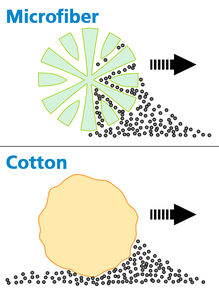 |
- Highly efficient: Microfiber's thousands of cleaning surfaces remove 4x more dirt and bacteria than conventional cotton products
- Cotton blended or other synthetic yarns have basically one cleaning surface per fiber and tend to move dirt around instead of lifting it from the surface
0 Comments
The beginning of the year is the perfect time to look at your cleaning schedule and techniques to reevaluate your practices. If you want a cleaner, and consequentially healthier, 2020 then check out these 10 commercial cleaning tips and facts to help you reach your cleaning goals for the New Year.
1. Organize Your Storage Space
It all starts where your cleaning supplies are stored. A disorganized and dirty janitorial closet is the wrong way to start your New Year's Resolution. You'll want to properly throw out what you no longer need, make sure every cleaning chemical is labeled appropriately (it's required!), and organize your items by frequency of use. Supplies you use the most should be within hands reach.
Safety Data Sheets should all be in one place and your cleaning crew should know where that place is in case of an emergency. For more tips on organizing your janitorial closet, click here.
It all starts where your cleaning supplies are stored. A disorganized and dirty janitorial closet is the wrong way to start your New Year's Resolution. You'll want to properly throw out what you no longer need, make sure every cleaning chemical is labeled appropriately (it's required!), and organize your items by frequency of use. Supplies you use the most should be within hands reach.
Safety Data Sheets should all be in one place and your cleaning crew should know where that place is in case of an emergency. For more tips on organizing your janitorial closet, click here.
2. All-Purpose Cleaners Don't Do It All
The term "all-purpose" or "multi-purpose" can be misleading. Sure it can be used on just about any surface, but that doesn't mean it will do the job well. For instance if you're using an all-purpose cleaner to try and battle tough kitchen grease, you're going have a bad time simply because it will take you a lot longer.
All-purpose cleaners are great for general cleaning but we manufacturers put ingredients in kitchen degreasers that are made to tackle kitchen grease. It's crazy, we know! The same goes for window cleaners, bathroom cleaners, disinfectant cleaners... you get the idea.
The term "all-purpose" or "multi-purpose" can be misleading. Sure it can be used on just about any surface, but that doesn't mean it will do the job well. For instance if you're using an all-purpose cleaner to try and battle tough kitchen grease, you're going have a bad time simply because it will take you a lot longer.
All-purpose cleaners are great for general cleaning but we manufacturers put ingredients in kitchen degreasers that are made to tackle kitchen grease. It's crazy, we know! The same goes for window cleaners, bathroom cleaners, disinfectant cleaners... you get the idea.
Summer brings more foot traffic; people are getting out more due to the nice weather. This means more customers at your businesses and friends to your home! Where people gather, wear and tear on your carpet and even permanent discoloring from spills can become an issue. Here are the best practices to prevent and remove tough carpet stains, protecting your investment.
How Often Should You Be Vacuuming? Doesn’t Too Much Vacuuming Damage Your Carpet?
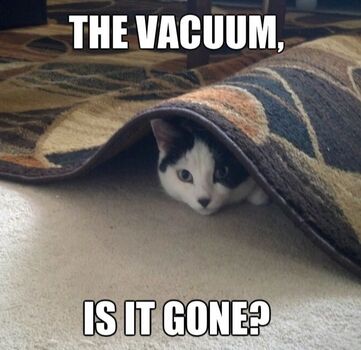
When it comes to wear and tear of your carpet, dirt will do more damage to carpet fibers than vacuuming regularly. Overworking your carpet by vacuuming is definitely possible, specifically when you’re doing it wrong.
The floor settings on your machine are important – most vacuums have a bare floor setting versus carpet, and many distinguish between low, medium and high carpet. These definitely matter as vacuum height settings can affect how well it cleans or the wears on your carpet. Too high and the vacuum can’t pick up the dirt, but too low and you could hurt your carpet. Additionally, it could damage your roller brush or drive belt if you frequently use the wrong setting. If your vacuum doesn’t have automatic height adjustment, and you’re not sure how high or low the setting should be, turn it on the highest setting and then gradually lower it until you can feel the vacuum tugging the carpet.
The floor settings on your machine are important – most vacuums have a bare floor setting versus carpet, and many distinguish between low, medium and high carpet. These definitely matter as vacuum height settings can affect how well it cleans or the wears on your carpet. Too high and the vacuum can’t pick up the dirt, but too low and you could hurt your carpet. Additionally, it could damage your roller brush or drive belt if you frequently use the wrong setting. If your vacuum doesn’t have automatic height adjustment, and you’re not sure how high or low the setting should be, turn it on the highest setting and then gradually lower it until you can feel the vacuum tugging the carpet.

We often talk about bacteria hot spots. These are places that harbor bacteria and the environment and conditions surrounding them cause bacteria to multiply quickly. A good example of a bacteria hot spot is a kitchen sponge that gets touched often with hands and comes into contact with various foods. Additionally the moisture makes it the perfect breeding ground for bacteria.
Other times hot spots are places that are touched frequently and often times by many people, but are rarely (if ever) cleaned. The reason your smart phone has more germs than an average toilet seat is because toilet seats are cleaned much more often. Office objects like phones, keyboards and pens are easily forgotten or not included in a cleaning routine. Objects in a communal space get overlooked most often because people aren’t sure whose responsibility it is to clean them. This leads to bacteria being spread most often through things we use every day.
Here are the germiest places in any office.
Other times hot spots are places that are touched frequently and often times by many people, but are rarely (if ever) cleaned. The reason your smart phone has more germs than an average toilet seat is because toilet seats are cleaned much more often. Office objects like phones, keyboards and pens are easily forgotten or not included in a cleaning routine. Objects in a communal space get overlooked most often because people aren’t sure whose responsibility it is to clean them. This leads to bacteria being spread most often through things we use every day.
Here are the germiest places in any office.
Desks – Workspace or Germspace?
Office Phone
On average, an office phone can harbor about 25,000 germs per square inch according to research done by the University of Arizona. It gets coated in bacteria from our mouth and hands, and should be wiped down daily with a sanitizing wipe.
On average, an office phone can harbor about 25,000 germs per square inch according to research done by the University of Arizona. It gets coated in bacteria from our mouth and hands, and should be wiped down daily with a sanitizing wipe.
What They Are, How They Spread & Prevention
| Other than knowing that we don’t want any of them, what is the difference between influenza (the flu), a common cold and the stomach flu? Knowledge is power! Today we’re talking about illnesses, how they spread and prevention. Let’s start with the flu... Influenza, more commonly known as the flu, is “in-season” throughout winter and into spring. Though we think of it as common, it can get very serious. According to the Center for Disease Control and Prevention (CDC), the US saw a record number of deaths associated with the flu in the 2017-18 flu season: an estimated 80,000 people. This number is based on death certificate reports of influenza or pneumonia. It's not something to take lightly when symptoms get severe. | 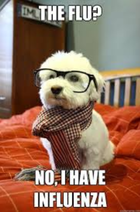 |
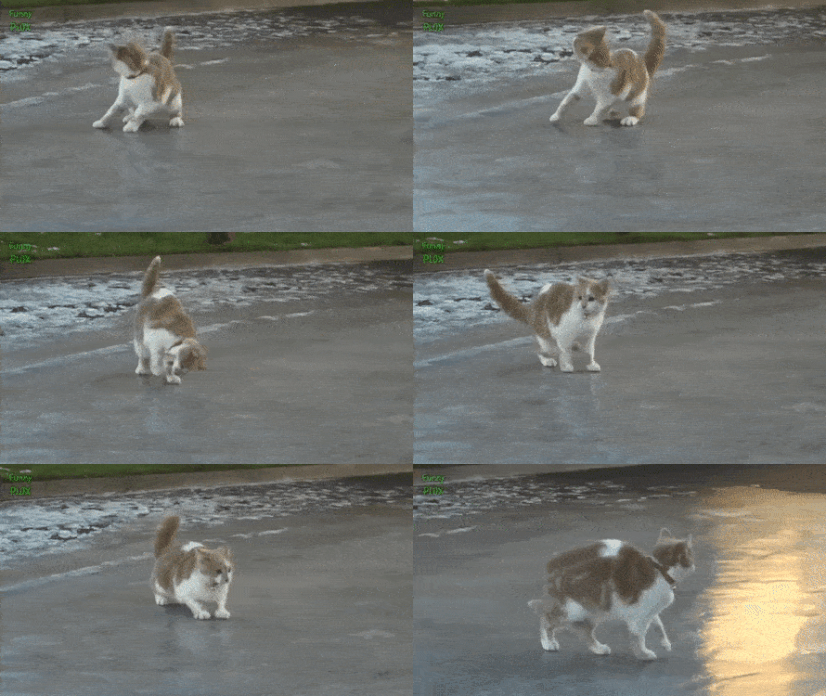 Slipping on ice usually isn't this cute.
 Ice Melt Protects Your Business as
Well as Your Patrons...
Do not make the potentially expensive mistake of skipping ice melt in winter months. We recognize the temptation to save money and/or time where you can. However in the long run, not taking care of your walkways could cost you a whole lot more than the price of ice melt. Slip and fall accidents are a huge liability concern.
Many states have legislation that requires businesses to take action to prevent slips and falls. For instance, Ohio business owners are required to remove as much ice and snow from their property as possible and to warn patrons of dangerous conditions that could cause injuries. Owners or possessors can be held liable for a slip and fall accident if they knew of the condition and neglected to correct it or if the condition existed for such a length of time that the owner/possessor should have discovered and corrected it prior to the slip and fall incident in question.
Some might not see the need to put down ice melt as long as the parking lots and sidewalks have been shoveled, but in cold temperatures there is typically a thin yet dangerous layer of ice. Additionally, people may only use ice melt when there has been a bad storm but even light dustings can create slick surfaces particularly if the snow melts and refreezes throughout the day.
In short, don't skip the ice melt. Now that we have that out of the way, here's some tips to using ice melt efficiently and effectively. Use these to come up with an ice melt policy or training guide for employees.
Well as Your Patrons...
Do not make the potentially expensive mistake of skipping ice melt in winter months. We recognize the temptation to save money and/or time where you can. However in the long run, not taking care of your walkways could cost you a whole lot more than the price of ice melt. Slip and fall accidents are a huge liability concern.
Many states have legislation that requires businesses to take action to prevent slips and falls. For instance, Ohio business owners are required to remove as much ice and snow from their property as possible and to warn patrons of dangerous conditions that could cause injuries. Owners or possessors can be held liable for a slip and fall accident if they knew of the condition and neglected to correct it or if the condition existed for such a length of time that the owner/possessor should have discovered and corrected it prior to the slip and fall incident in question.
Some might not see the need to put down ice melt as long as the parking lots and sidewalks have been shoveled, but in cold temperatures there is typically a thin yet dangerous layer of ice. Additionally, people may only use ice melt when there has been a bad storm but even light dustings can create slick surfaces particularly if the snow melts and refreezes throughout the day.
In short, don't skip the ice melt. Now that we have that out of the way, here's some tips to using ice melt efficiently and effectively. Use these to come up with an ice melt policy or training guide for employees.
Disinfecting is an important step of any cleaning routine especially during Flu Season. There are different types of disinfectants as well as different methods for disinfecting. We’ll get to those later, because no matter your disinfectant method the first step is to clean.
What’s the difference between cleaning and disinfecting?
Cleaning refers to the removal of dirt and grime from a surface. With cleaning tools such as sponges or cloths, cleaning simply moves germs and bacteria around a surface or from one surface to another. Disinfecting refers to the killing of a high percentage of germs and/or rendering them incapable of reproducing.
Therefore, a surface can look clean and still be covered in dangerous bacteria. However, cleaning is still an important step to properly disinfecting a surface. Prior to disinfecting, a person should remove all visible soils from the area they wish to disinfect. Skipping this could affect the success of disinfection because the organic matter on a surface can interfere with microbial inactivation.
There are many disinfectant cleaners on the market today that have the cleaning abilities you need along with being a disinfectant. Essentially you are getting two products in one (great!). However, that does not equate to cleaning and disinfecting being done in one step necessarily. Instructions may vary, but for most disinfectant cleaners the user will need to use a technique the industry refers to as spray-wipe-spray. Meaning if a surface is visibly soiled, you would want to spray the disinfectant cleaner, wipe away the soil and then spray again and follow disinfecting instructions and dwell times listed on the label.
Cleaning refers to the removal of dirt and grime from a surface. With cleaning tools such as sponges or cloths, cleaning simply moves germs and bacteria around a surface or from one surface to another. Disinfecting refers to the killing of a high percentage of germs and/or rendering them incapable of reproducing.
Therefore, a surface can look clean and still be covered in dangerous bacteria. However, cleaning is still an important step to properly disinfecting a surface. Prior to disinfecting, a person should remove all visible soils from the area they wish to disinfect. Skipping this could affect the success of disinfection because the organic matter on a surface can interfere with microbial inactivation.
There are many disinfectant cleaners on the market today that have the cleaning abilities you need along with being a disinfectant. Essentially you are getting two products in one (great!). However, that does not equate to cleaning and disinfecting being done in one step necessarily. Instructions may vary, but for most disinfectant cleaners the user will need to use a technique the industry refers to as spray-wipe-spray. Meaning if a surface is visibly soiled, you would want to spray the disinfectant cleaner, wipe away the soil and then spray again and follow disinfecting instructions and dwell times listed on the label.
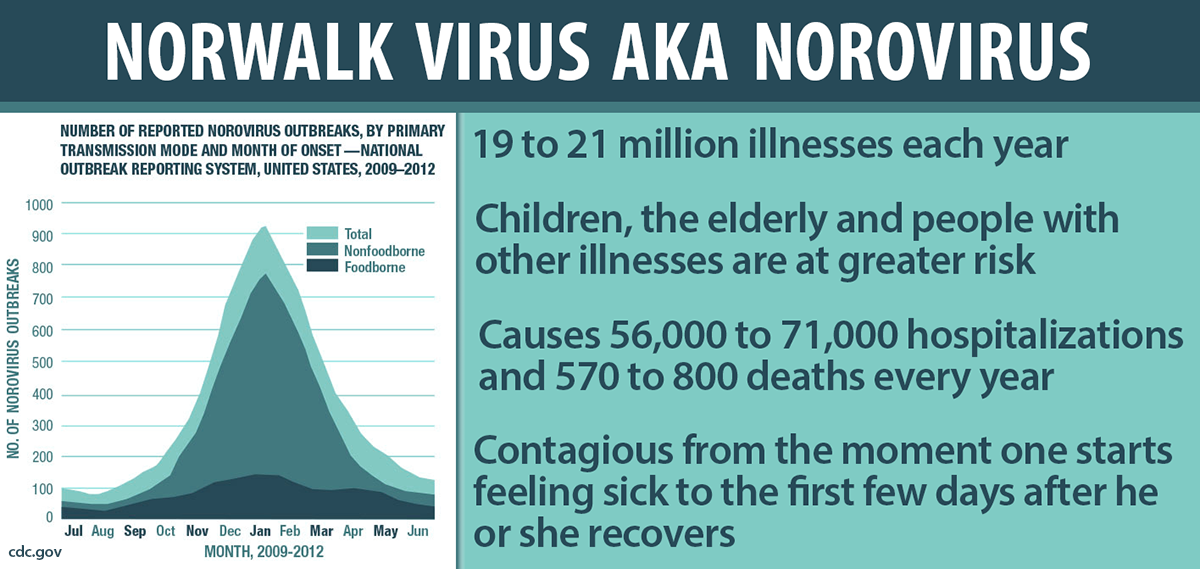
Norwalk Virus, more commonly known as Norovirus, causes inflammation of the stomach and intestines leading to diarrhea, vomiting and stomach pain. You know… all the fun stuff! Norovirus is often times mistaken for the flu or food poisoning. While Norovirus is the leading cause of foodborne illness, many other germs and chemicals can also cause what we call food poisoning. Although it is not related to the flu (influenza), they do share some of the same symptoms. There is not a vaccine to prevent Norovirus and no drug to treat infected people. Therefore, understanding and prevention is critical as symptoms of Norovirus can be severe.
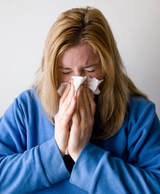
Proper handwashing, particularly before and after certain activities, is one of the best ways to remove germs and avoid getting sick. One study found that 95% of people do not wash their hands correctly after using the restroom, 2 in 3 people forget the soap, and 1 in 10 skip the process entirely.
This isn’t good news for the quickly approaching Flu Season. It is the general consensus among health care professionals that after receiving a flu vaccine, proper hand hygiene is the second most important way to avoid the flu. However, they don’t mean rinsing your hands off for 5 seconds and wiping them dry on your shirt. There are easy techniques to follow that will get those nasty germs off your hands.
This isn’t good news for the quickly approaching Flu Season. It is the general consensus among health care professionals that after receiving a flu vaccine, proper hand hygiene is the second most important way to avoid the flu. However, they don’t mean rinsing your hands off for 5 seconds and wiping them dry on your shirt. There are easy techniques to follow that will get those nasty germs off your hands.
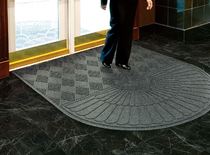
Mats are your building’s first defense against dirt and moisture. In addition to protecting your floor from damage and wear, mats also filter contaminants from entering your facility which could potentially save you thousands of dollars a year in cleaning costs!
70%-80% of dust, grime and dirt that enter your building is tracked in by people’s shoes, damaging your floor and your facility’s appearance. One square yard of carpet can accumulate a pound of dirt a week and twice that much in inclement weather and that weather is on its way! Soon the leaves will begin to fall and after that comes snow and ice melt that will damage your interior hard surfaces. Let’s look at the cost:
70%-80% of dust, grime and dirt that enter your building is tracked in by people’s shoes, damaging your floor and your facility’s appearance. One square yard of carpet can accumulate a pound of dirt a week and twice that much in inclement weather and that weather is on its way! Soon the leaves will begin to fall and after that comes snow and ice melt that will damage your interior hard surfaces. Let’s look at the cost:
Archives
April 2020
January 2020
July 2019
June 2019
February 2019
January 2019
December 2018
October 2018
September 2018
Categories
All
Cleaning Tools
Deicers
Disinfectants
Floor Care
Flu Season
Foodborne Illness
Germs
Hand Hygiene
Ice Melt
Infection Control
Matting
Norovirus
Norwalk Virus
Salt
Winter Weather
 RSS Feed